

Your step-by-step checklist to hiring the perfect custom home builder while avoiding costly mistakes
Discover the insider secrets to vetting contractors in Vancouver and the North Shore, plus how to navigate permits, timelines, and sustainable building practices that protect your investment and deliver your dream home on time.
Imagine investing $800,000 in your custom home project, only to discover six months in that your contractor isn’t licensed, your permits are stuck in review, and your timeline has blown out by eight months. Unfortunately, this nightmare scenario plays out across Vancouver and British Columbia more often than homeowners realize.
With construction costs soaring and permit timelines stretching longer in 2025, choosing the right general contractor has never been more critical. The difference between a smooth, successful build and a costly disaster often comes down to asking the right questions upfront and knowing exactly what red flags to watch for in BC’s unique regulatory environment.
Essential Licensing and Insurance Requirements Every Vancouver Custom Home Builder Contractor Must Meet
Before you discuss a single design detail, verify that any contractor you’re considering meets BC’s mandatory licensing and insurance requirements. This isn’t optional paperwork—it’s your financial protection and legal safety net.
Licensed Residential Builder (LRB) Verification
Every legitimate custom home builder in BC must hold a Licensed Residential Builder (LRB) designation through BC Housing. Ask for their legal company name and license number, then verify their status on BC Housing’s Public Registry of Licensed Residential Builders. This registry shows their license status, warranty provider, and any disciplinary actions. A builder who hesitates to provide this information or claims they “don’t need a license” should be immediately eliminated from consideration.
Home Warranty Protection
BC law requires licensed builders to provide third-party home warranty coverage (typically 2-5-10 year protection). This warranty protects you against construction defects, incomplete work, and builder default. Ask to see their warranty certificate and verify coverage directly with the warranty provider. Without proper warranty coverage, you’re assuming enormous financial risk if problems arise after completion.
WorkSafeBC and Liability Insurance
Your contractor must carry current WorkSafeBC coverage for all workers and comprehensive liability insurance. Request certificates of insurance and verify coverage amounts are adequate for your project size. Many homeowners overlook this step, only to discover later that injuries on their property could result in personal liability if the contractor lacks proper coverage.
For Vancouver and North Shore projects, experienced contractors should also be familiar with local building officials and inspection processes. Ask about their recent projects in your specific municipality—City of Vancouver, District of North Vancouver, or City of North Vancouver each have unique requirements and review timelines.
Permit Process Mastery: What Your Contractor Must Know About Vancouver Area Municipalities
The permit process can make or break your project timeline and budget. A contractor’s familiarity with local requirements often determines whether your project flows smoothly or gets stuck in expensive delays and re-submissions.
Municipality-Specific Expertise
Each Vancouver area municipality has distinct zoning rules, permit processes, and review timelines. Your contractor should immediately identify your property’s Authority Having Jurisdiction and explain the specific permit path for your lot. In the City of Vancouver, they should reference zoning types (RS, RT, RA, FA) and laneway house regulations. For District of North Vancouver projects, they need familiarity with R-1/R-2 single-family zones, FSR calculations, height restrictions, and tree protection bylaws.
Development Permit vs Building Permit Knowledge
Many custom home projects require both Development Permits (DP) and Building Permits (BP). Your contractor should clearly explain which permits your project needs and the typical timeline for each. In Vancouver, building permit targets are around 3 weeks for single-family homes, but actual timelines often extend longer, especially for complex projects or incomplete submissions.
Consultant Coordination
Professional contractors maintain relationships with surveyors, architects, structural engineers, and energy modelers. They should explain how they coordinate these consultants to ensure all documents “tell the same story” and avoid costly re-submissions. Ask specifically: “Who on your team manages permit submissions and consultant coordination?”
Red flags include vague answers about permits (“we’ll figure it out later”), unfamiliarity with your municipality’s specific requirements, or promises that “permits are easy.” Experienced Vancouver area contractors know that front-loading permit coordination prevents expensive delays later in the process.
Realistic Timeline Expectations for 2025 Vancouver Area Projects
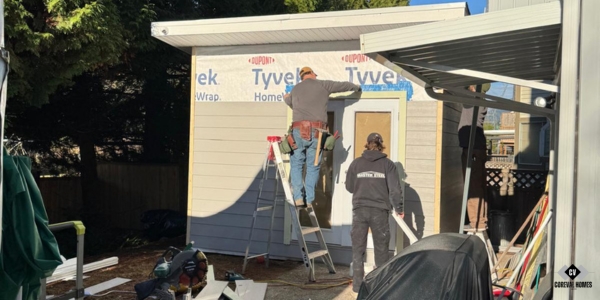
Understanding realistic project timelines helps you identify contractors who make unrealistic promises and plan appropriately for your living situation during construction.
Total Project Duration
For typical custom homes in Greater Vancouver, plan for 12-24 months from first design meeting to move-in. This breaks down into roughly 3-9 months for design and permits (depending on municipality and complexity), followed by 8-15 months for construction. Contractors promising significantly shorter timelines may be cutting corners or haven’t accounted for current permit realities.
Permit Phase Realities
The permit phase varies significantly by municipality and project complexity. City of Vancouver reviews can range from a few weeks to several months, with each re-submission resetting the review clock. District of North Vancouver and City of North Vancouver have their own timeline characteristics. Your contractor should provide realistic ranges based on recent experience in your specific municipality.
Construction Phase Planning
Construction timelines depend on site conditions, weather, permit inspection scheduling, and material availability. Experienced contractors build buffer time into their schedules for unexpected conditions like poor soil, hidden infrastructure conflicts, or inspection delays. They should also explain their process for managing sub-contractors and ensuring quality control throughout construction.
Ask directly: “From our first design meeting, what is your realistic range to permit issuance and to occupancy in this municipality? What assumptions is that based on?” Contractors who provide specific, well-reasoned answers demonstrate the planning competence essential for successful project delivery.
Sustainable Building Practices and Energy Code Compliance
With BC Energy Step Code requirements and increasing focus on long-term operating costs, your contractor’s approach to sustainable building significantly impacts your home’s performance and value.
BC Energy Step Code Competence
Every custom home in BC must comply with BC Energy Step Code requirements, which vary by municipality. Your contractor should demonstrate fluency with current Step Code levels and explain how they coordinate energy modeling with architectural drawings to avoid permit delays. They should also outline their typical high-performance envelope approach, including above-code insulation, air-tightness targets, and window specifications.
Efficient Systems Integration
Modern sustainable building goes beyond basic code compliance. Ask about their approach to HVAC systems (heat pumps, HRVs/ERVs), water heating (heat pump water heaters), and water management (rainwater handling, permeable surfaces). Experienced sustainable builders also specify low-VOC finishes, durable material assemblies, and thermal bridging details that improve long-term performance.
Testing and Documentation
Legitimate sustainable building requires testing and verification. Your contractor should explain their process for blower door testing, energy modeling coordination, and Step Code documentation. They should schedule these elements early in the process so energy compliance doesn’t become a critical path delay during permit review or final occupancy.
A competent sustainable contractor will say something like: “We design to Step X or better, coordinate with an energy modeler from feasibility stage, and schedule testing and documentation early so energy compliance isn’t on the critical path.” Vague promises about “green building” without specific technical details suggest limited actual experience with high-performance construction.
Reference Checks and Red Flags: What to Ask Former Clients
Past performance predicts future results. Thorough reference checks reveal patterns that interviews might miss and provide insight into how contractors handle challenges and communication.
Specific Reference Requirements
Ask for at least three recent references from projects completed within the past 18 months, preferably in your municipality. Don’t just accept random testimonials—request specific contact information for homeowners who have moved into their completed homes and had time to experience the building’s performance through multiple seasons.
Critical Questions for References
When calling references, ask pointed questions about communication, problem-solving, and final outcomes. Key questions include: “Did they stay within the agreed timeline and budget?” “How did they handle unexpected issues or changes?” “Would you hire them again, and why?” “How was their communication during stressful moments?” “Did everything work properly when you moved in?” References who seem hesitant to discuss details or only offer vague positives may indicate coaching or cherry-picked contacts.
Site Visit Opportunities
The best contractors are proud to show off recent work and may arrange site visits to projects under construction or recently completed homes (with homeowner permission). This gives you insight into their workmanship quality, site organization, and attention to detail. Pay attention to how clean and organized their active job sites appear—this often reflects their overall professionalism and quality standards.
Red Flags to Watch For
Be cautious of contractors who can’t provide recent local references, seem evasive about past projects, or provide only references from years ago. Other warning signs include high-pressure sales tactics, requests for large upfront payments, door-to-door solicitation, or reluctance to provide written estimates and contracts. Trust your instincts—if something feels “off” during initial conversations, it’s usually worth investigating further or considering other options.
Budget Planning and Contract Essentials for Vancouver Custom Home Builders
Understanding realistic budgets and contract structures protects you from cost overruns and scope disputes that can turn dream projects into financial nightmares.
2025 Cost Realities in Vancouver
Custom home construction costs in Vancouver and the North Shore typically range from $350-600+ per square foot, depending on finishes, site conditions, and complexity. This means a 2,500 square foot custom home might cost $875,000-$1,500,000+ before land costs. Experienced contractors should provide realistic ranges based on your preliminary plans and finish expectations, not vague estimates that seem too good to be true.
Contract Structure and Payment Schedules
Legitimate contractors use detailed contracts outlining scope, timelines, change order procedures, and payment schedules tied to completion milestones. Be wary of contractors requesting large upfront payments—reputable builders typically ask for minimal deposits and structure payments around permit issuance, foundation completion, framing, and final completion stages.
Allowances and Change Orders
Understanding allowances (budgeted amounts for fixtures, finishes, appliances) prevents budget surprises later. Your contractor should clearly explain what’s included in allowances and the process for changes or upgrades. They should also outline their change order procedure—how additional work gets approved, priced, and documented to avoid disputes.
Contingency Planning
Smart contractors and homeowners plan for contingencies. Industry standard suggests 10-20% contingency for unexpected conditions like poor soil, hidden infrastructure conflicts, or permit requirement changes. Contractors who don’t discuss contingencies or claim “everything’s included” may not have experience with the realities of custom construction in Vancouver’s challenging building environment.
Communication and Project Management: What to Expect
Clear communication and organized project management separate professional custom home builders from fly-by-night operators, especially during the inevitable challenges that arise in complex projects.
Regular Updates and Transparency
Established contractors provide regular progress updates through scheduled meetings, progress photos, and clear timelines. They should explain their communication style upfront—do they prefer email, text, or phone calls? How often do they provide updates? What project management tools do they use? Clear expectations prevent frustration later when you’re eager for progress updates.
Problem Resolution Process
Every construction project encounters unexpected challenges. Your contractor should explain how they identify problems, present solutions with cost and timeline implications, and get your approval before proceeding. Look for contractors who present problems with solutions, not just bad news without options.
Quality Control Procedures
Professional builders implement quality control checkpoints throughout construction. Ask about their inspection procedures, how they ensure sub-contractor work meets their standards, and their process for addressing deficiencies before final completion. Contractors who seem surprised by quality control questions may lack the systems necessary for consistent results.
At CoreVal Homes, we’ve found that homeowners appreciate transparency about both the exciting milestones and the inevitable challenges. Our clients consistently mention that clear communication and proactive problem-solving made the difference between a stressful experience and an enjoyable journey to their dream home.
Making Your Final Decision: Evaluation Criteria That Matter
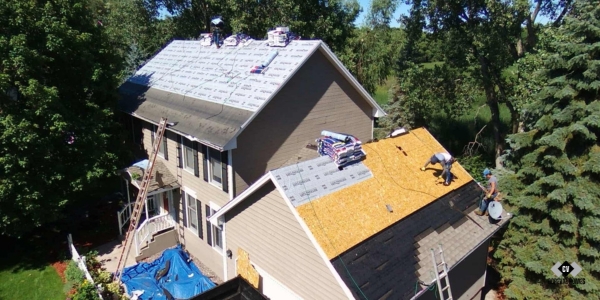
With multiple qualified contractors to choose from, your final decision should balance technical competence, communication fit, and value proposition rather than simply choosing the lowest bid.
Comprehensive Evaluation Matrix
Create a simple scoring system covering licensing/insurance, references, communication quality, technical competence, timeline realism, and overall professionalism. The contractor with the perfect combination of technical skills and communication style often delivers better results than the cheapest option or the one with the fanciest marketing materials.
Value vs. Price Distinction
The lowest bid isn’t always the best value. Consider the total package: project management quality, warranty coverage, material specifications, and timeline reliability. A slightly higher investment upfront often prevents costly delays, change orders, and quality issues that make “cheap” contractors expensive in the long run.
Gut Check and Compatibility
You’ll work closely with your contractor for 12-24 months. Consider whether you trust their judgment, feel comfortable with their communication style, and believe they understand your vision. Technical competence matters enormously, but personality fit and mutual respect make the construction process more enjoyable and often lead to better outcomes.
Local Knowledge Premium
Contractors with deep Vancouver area experience bring value that’s hard to quantify but easy to appreciate. They know which building officials prefer specific documentation styles, which material suppliers provide reliable delivery, and which sub-contractors deliver consistent quality. This local knowledge often prevents delays and quality issues that less experienced contractors encounter.
Vancouver Custom Home Builder | CoreVal Homes
Finding the right general contractor in Vancouver requires systematic evaluation of licensing, local expertise, communication style, and realistic expectations rather than simply choosing the lowest bid. Take time to verify credentials, check references thoroughly, and ensure your contractor demonstrates competence with BC’s regulatory environment and municipality-specific requirements.
The investment in proper vetting pays dividends through smoother construction, better quality outcomes, and fewer costly surprises along the way.
Book a consultation with CoreVal Homes today.
Keywords Tag: general contractor Vancouver, custom home builder BC, Vancouver building permits, North Shore construction, BC residential builder
FAQs
1. What legal recourse do BC homeowners have if a contractor abandons a project mid-build?
BC homeowners can file complaints with the Homeowner Protection Office if a licensed builder breaches warranty terms or abandons work, potentially leading to disciplinary action or license refusal for future projects. Civil claims through small claims court or superior court may recover losses, but success depends on documented contracts and evidence of non-performance.
2. How does CoreVal Homes ensure LRB compliance as a trusted general contractor Vancouver?
CoreVal Homes maintains active Licensed Residential Builder (LRB) status verified through BC Housing, providing full 2-5-10 warranty protection for every custom home project. Homeowners benefit from our proven track record in Vancouver and North Shore builds, minimizing risks with transparent licensing and insurance documentation from day one.
3. What role does soil testing play in Vancouver custom home foundations?
Soil geotechnical testing assesses lot stability, groundwater, and seismic risks before foundation design, preventing costly issues like differential settlement in Vancouver’s variable soils. Contractors should coordinate early testing to inform engineering and avoid permit rejections or structural failures.
4. How can you negotiate subcontractor quality in your contract?
Specify approved subcontractor lists, qualification standards, and your right to approve key trades like framing or roofing in the contract to maintain quality control. Include provisions for replacing underperforming subs at no extra cost to you.
5. Why choose CoreVal Homes for custom home builder BC projects with Step Code expertise?
CoreVal Homes specializes in exceeding BC Energy Step Code levels through early energy modeling and high-performance systems, ensuring permit approval and long-term savings. Our Vancouver-focused team delivers sustainable builds without delays, backed by LRB licensing and local municipality knowledge.
People Also Ask
1. What percentage of BC construction projects face disputes?
Disputes affect around 25-30% of projects after four years, rising with complexity, often due to delays or scope changes per global construction reports. In BC, homeowner complaints to BC Housing highlight similar patterns in residential builds.
2. How do rising interest rates impact Vancouver home builds in 2025?
Higher rates slow custom home starts by 20-30% as financing costs deter buyers, per housing market indexes tracking BC builder confidence drops. This creates labor availability but pressures timelines for funded projects.
3. What are common material delays in North Shore construction?
Supply chain issues for engineered lumber and windows cause 4-8 week delays, exacerbated by port backlogs and tariffs in 2025 reports. Local contractors mitigate via bulk ordering and alternatives.
4. How to handle neighbor disputes during Vancouver builds?
Establish a community liaison process in contracts for noise, dust, and access issues, with scheduled updates to neighbors per municipal bylaws. Document compliance to defend against complaints.
5. What financing options exist beyond traditional mortgages for custom homes?
Owner-builder construction loans or bridge financing cover phased draws, while BC housing grants support Step Code upgrades. Consult lenders early for pre-approvals tied to LRB-verified builders.