
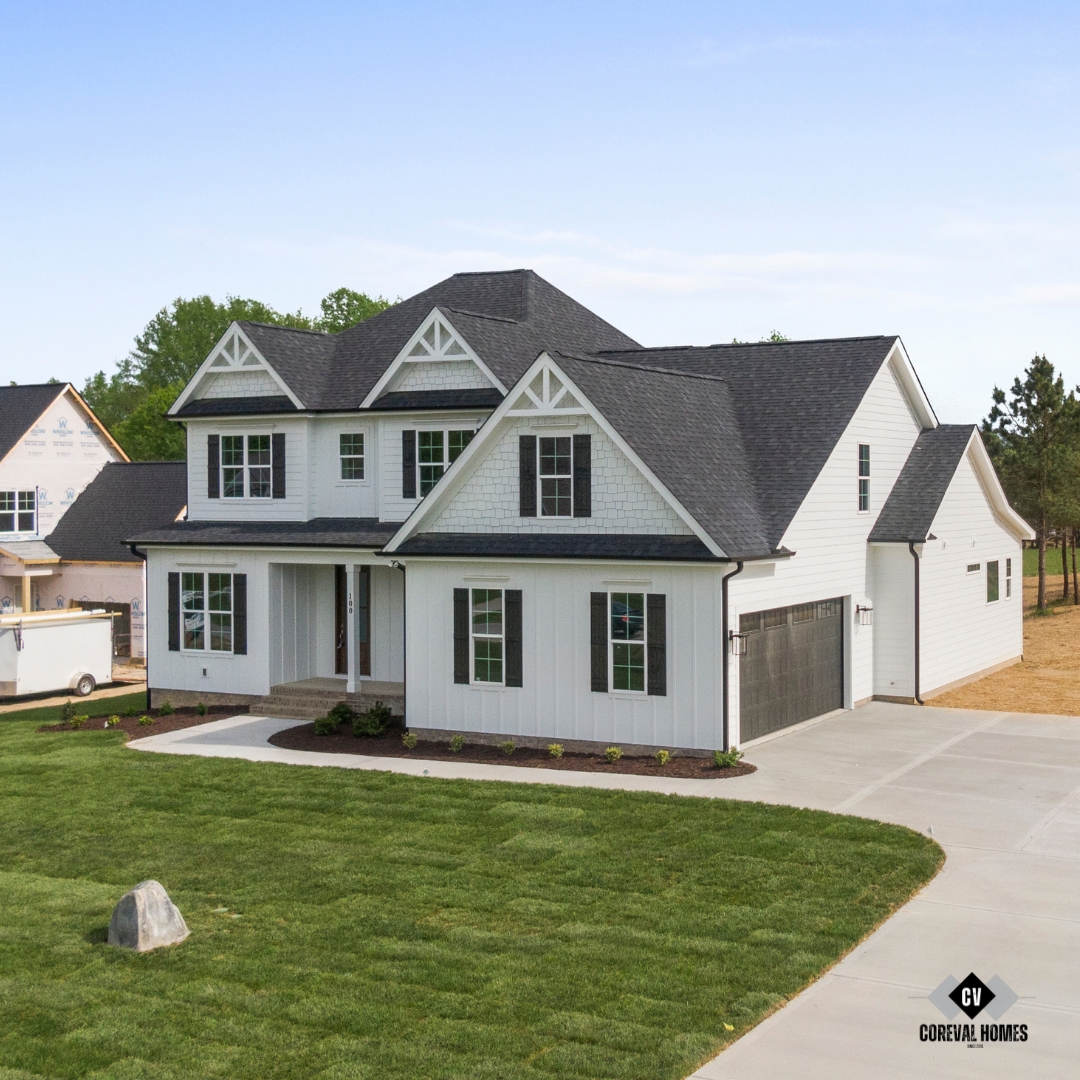
From $450 to $800 per square foot—discover the real custom home building costs, hidden expenses, and smart strategies for your dream home in British Columbia
Navigate Vancouver’s complex permit system, understand true construction timelines, and learn how to choose the right custom home builder for your project with insider insights from BC’s leading custom home experts.

Picture this: you’ve found the perfect lot in North Vancouver, you have architectural plans that make your heart race, and you’re ready to build the custom home you’ve dreamed about for years. Then reality hits—construction quotes ranging from $1.5 million to $6 million for the same-sized home, permit timelines stretching from 3 weeks to 33 weeks, and contractors giving you conflicting advice about everything from costs to completion dates. If this sounds familiar, you’re not alone.
In 2025, building a custom home in British Columbia has become more complex than ever, but also more rewarding for those who understand the new landscape. Metro Vancouver’s benchmark home price reached $1,132,500 in October 2025, reflecting market dynamics that influence custom home building decisions across the region. The difference between a smooth, successful build and a costly nightmare often comes down to one thing: having the right information and the right builder from day one.
The Real Cost Breakdown: What $450-$800 Per Square Foot Actually Means
Let’s cut through the confusion about custom home costs in BC. The average custom home build cost in Vancouver ranges between $450 to $800 per square foot, with most quality builds falling in the $500-$650 range. But here’s what most homeowners don’t realize—that number is just the starting point of your financial journey.
To put this in perspective, a modest 2,500 square foot custom home in Vancouver will cost between $1.125 million and $2 million just for construction. Add in your land costs (typically $200+ per square foot in desirable areas), and you’re looking at a total investment of $1.8 million to $3.5 million for a complete project.
The three main pricing tiers break down like this: • Standard Quality Builds: $450-$550 per square foot for well-built homes with quality materials but standard finishes • Premium Custom Homes: $600-$750 per square foot featuring custom millwork, high-end appliances, and architectural details • Luxury Estate Homes: $800+ per square foot for homes with premium materials, smart home technology, and bespoke design elements
What’s driving these costs? Labour shortages have pushed specialized trades up 10-15% over the past two years, while material costs remain elevated despite lumber prices declining 30% from their 2022 peaks. The real challenge isn’t just the base construction cost—it’s the additional expenses that can add 15-25% to your budget.
These “hidden” costs include municipal permit fees ($20,000-$40,000+), utility connections, landscaping, and the dozen small decisions that add up quickly. Smart homeowners budget an additional $100,000-$200,000 beyond their construction quote for these inevitable extras. The builders who earn client loyalty are those who discuss these costs upfront, not the ones who surprise you with them during construction.
Navigating Vancouver’s Permit Maze: Why 3 Weeks Can Become 33 Weeks
Here’s the most frustrating part of building in Vancouver: the City targets 3 weeks for permit approval, but the median reality is 21.4 weeks for new single-family homes. That’s not a typo—realistically plan for 5-8 months, not 3 weeks.
The disconnect comes from Vancouver’s two-track system: Development Permits (required for zoning relaxations) followed by Building Permits (technical review). Each track resets the clock if your submission is incomplete, and “incomplete” can mean anything from missing vector PDFs to incorrectly named files.
Think of it like airport security—you might breeze through in minutes if you’re perfectly prepared, but one small oversight sends you to the back of the line. The builders who consistently achieve faster approvals understand this system intimately and prepare bulletproof submissions from day one.
Recent October 2025 data shows the reality across different project types:
• New Single-Family Homes: 21.4 weeks median (down from 34 weeks in early 2024)
• Laneway Houses: 14.0 weeks median
• Surrey Projects (for comparison): 11.4 weeks median
What separates 3-week approvals from 33-week delays? Complete submissions with coordinated consultant packages, stable specifications that don’t change during review, proper legal surveys, and energy modeling aligned with Step Code requirements. Every resubmission restarts the review process, which is why experienced builders invest heavily in getting it right the first time.
The key insight: permit timelines are the biggest variable in your project schedule, but they’re largely controllable through proper preparation and expert navigation of municipal requirements.
The 12-24 Month Reality: Understanding True Custom Home Timelines
Forget what you’ve heard about quick builds—realistic custom home timelines in Vancouver run 12-24 months from first design meeting to move-in, with most projects taking 18-20 months. Understanding why helps you plan better and avoid the frustration of unrealistic expectations.
The four phases break down predictably:
• Planning & Design: 2-6 months for site analysis, architectural plans, and engineering
• Permitting & Approvals: 3-12 months navigating Vancouver’s approval process
• Construction: 8-14 months for actual building (weather and complexity dependent)
• Finishing & Move-in: 1-2 months for final inspections and handover
Here’s what most people don’t expect: the permitting phase is often longer than construction itself. While your builder can control construction schedules through efficient project management and pre-booked trades, municipal approval timelines depend on submission quality and City workload.
Weather plays a bigger role than many realize. Vancouver’s rainy season (October through March) can extend foundation and framing schedules by 2-4 weeks. Experienced builders plan around this, scheduling interior work during wet months and exterior work during dry periods.
The projects that finish fastest share three characteristics: complete permit packages submitted at once, minimal changes during construction, and builders who maintain realistic schedules based on median timelines rather than best-case scenarios. The builders to avoid are those promising 12-month completion dates without acknowledging permit variables or seasonal factors.
Smart homeowners use this extended timeline strategically—making final finish selections during permitting, planning temporary housing arrangements, and using the construction period to secure favorable financing before move-in.
Choosing Your Builder: The Decision That Makes or Breaks Your Project
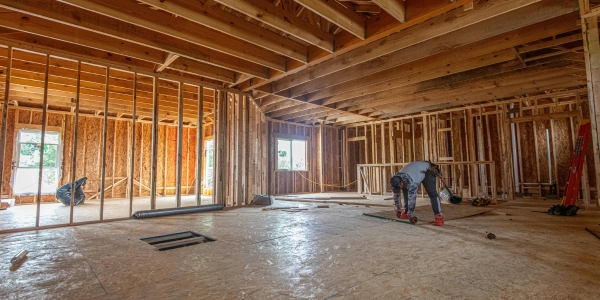
Here’s the uncomfortable truth: the builder you choose has more impact on your project’s success than your budget, timeline, or even your design. In a market where construction costs vary by 40% for identical homes and timelines range from 12-30 months, your builder selection becomes the most critical decision in your custom home journey.
The warning signs to avoid are unfortunately common: builders who quote significantly below market rates (they’ll make up the difference through change orders), promise unrealistic timelines (3-week permits, 12-month completions), or can’t provide references from recent clients. These builders often win initial contracts but leave homeowners dealing with cost overruns, delays, and quality issues.
What separates exceptional builders from the rest?
• Permit expertise: They understand Vancouver’s specific requirements and consistently achieve better-than-average approval times through complete submissions
• Transparent pricing: They discuss the full cost range upfront, including those “hidden” expenses that average 15-25% of construction costs
• Fixed-price contracts: They offer locked pricing with clear change order processes, protecting you from escalating costs
• Communication systems: They provide client portals with daily updates, photos, and transparent progress tracking
The best builders demonstrate their expertise through specific examples: they can explain exactly why permits take 21 weeks instead of 3, they show you detailed cost breakdowns including those often-forgotten expenses, and they walk you through their quality control processes.
Most importantly, they’re building their own reputation alongside your home—their success depends on your satisfaction, not just contract completion.
Red flags that should make you walk away immediately:
• Requesting large upfront payments before permits are approved
• Inability to provide recent client references or portfolio examples
• Vague contracts without specific timelines, materials, or change order procedures
• Significantly lower quotes without clear explanations of what’s excluded
The most successful custom home projects happen when homeowners treat builder selection like hiring a business partner for an 18-month collaboration, not just choosing the lowest bidder for a construction contract.
Smart Money Strategies: Financing Your Custom Build in 2025’s Market
Building a custom home requires a completely different financial approach than buying an existing home, and 2025’s market conditions make smart financing more critical than ever. Construction-to-permanent loans remain the gold standard, but with interest rates fluctuating and construction costs varying dramatically, your financing strategy can save or cost you hundreds of thousands of dollars.
Here’s how construction financing actually works: You’ll typically put down 20-25% of the total project cost (land + construction), then draw funds in scheduled phases as work progresses. Think of it like a controlled release system—money flows out as milestones are completed, protecting both you and the lender from project risks.
The four critical financing phases are:
• Land acquisition: Often financed separately, then rolled into construction loan
• Pre-construction costs: Permits, designs, and site prep (typically 10-15% of total budget)
• Construction draws: Scheduled releases tied to completion milestones
• Final conversion: Construction loan becomes permanent mortgage at completion
What many homeowners don’t realize is that your builder choice directly impacts your financing options. Established builders with strong track records can help you secure better rates and terms because lenders view them as lower risk. Some builders have preferred lender relationships that can streamline the approval process and reduce paperwork.
Smart money moves for 2025:
• Lock in construction loan rates early when possible, as rate volatility remains high
• Budget 25% above initial estimates for the inevitable changes and upgrades
• Consider cost-plus contracts for high-end builds where fixed pricing may be unrealistic
• Plan for 6-month payment overlap if selling your current home to fund the new build
The homeowners who experience the least financial stress are those who secure financing before finalizing builder contracts, understand exactly when funds will be needed throughout construction, and maintain cash reserves for the unexpected expenses that arise in every custom build project.
The CoreVal Homes Advantage: Why Vancouver Chooses Experience
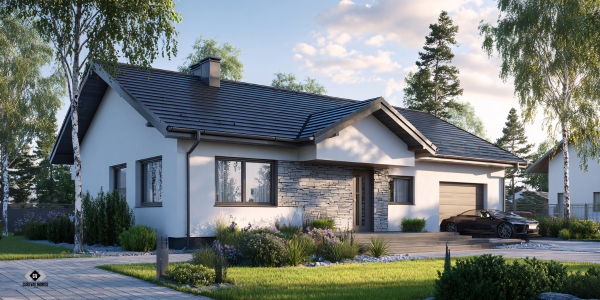
In Vancouver’s complex custom home market, success isn’t about finding the cheapest builder—it’s about finding the right partner for your specific project and goals. CoreVal Homes has earned its reputation as Vancouver’s trusted custom home builder by mastering the three things that matter most: predictable timelines, transparent costs, and exceptional quality.
What sets CoreVal Homes apart in Vancouver’s competitive market:
• Permit expertise that delivers results: While average builders struggle with 21-week permit timelines, CoreVal Homes consistently achieves faster approvals through complete, professionally prepared submissions and deep relationships with municipal departments
• Fixed-price contracts with transparent pricing: No surprises, no change order games—you know your investment from day one, including those often-forgotten expenses other builders spring on you mid-project
• Quality control systems: Every phase includes documented inspections and progress updates, ensuring your investment meets the highest standards
• Local market knowledge: Deep understanding of Vancouver’s unique zoning requirements, soil conditions, and architectural standards that can make or break your project
The CoreVal Homes difference shows in the numbers: average project completion in 16-18 months versus industry standard 20-24 months, change order rates below 5% versus industry average 15-20%, and client satisfaction scores that have earned consistent referrals and repeat business from Vancouver’s most discerning homeowners.
But perhaps most importantly, CoreVal Homes treats each project as a partnership, not just a contract. They understand that building a custom home is often the largest investment and most important project in a family’s lifetime. Their approach focuses on clear communication, realistic expectations, and delivering results that exceed your vision while respecting your budget.
For Vancouver homeowners ready to build their dream home, CoreVal Homes offers the experience, expertise, and integrity that turns the complex process of custom home building into an exciting journey toward the home you’ve always envisioned.
Custom Home Build in Vancouver with CoreVal Homes
Building a custom home in Vancouver is more complex than ever, but also more rewarding for those who approach it with the right information and the right team.
Success comes down to realistic budgeting ($500-$650 per square foot plus 25% contingency), understanding true timelines (18-20 months), and choosing a builder with proven expertise in Vancouver’s unique market.
Whether you’re building your forever home or an investment property, partnering with experienced professionals like CoreVal Homes transforms what could be a stressful gamble into a confident investment in your family’s future.
Contact us to get started with your custom project!
FAQs
- What insurance should I require from my Vancouver custom home builder?
Require general liability insurance, builders risk coverage, and workers compensation to protect against accidents, theft, or damage during construction. CoreVal Homes carries full coverage, giving you peace of mind throughout your custom home build in Vancouver. - How does soil testing impact custom home costs in BC?
Soil tests identify geotechnical challenges like unstable ground, which can add $10,000-$50,000 for specialized foundations in Vancouver’s varied terrain. Early testing prevents costly redesigns later. - What warranties does a reputable BC custom home builder offer?
Standard warranties cover structural elements for 10 years, materials for 2 years, and labor for 1 year under BC law. Top builders like CoreVal Homes exceed this with extended guarantees on craftsmanship for your custom home building costs in BC. - How do energy efficiency standards affect Vancouver builds?
BC’s Step Code requires progressive energy performance levels, often needing better insulation and HVAC systems that boost upfront costs by 5-10%. Compliance ensures lower utility bills long-term. - Can I make major changes after construction starts?
Changes mid-build trigger delays and extra fees due to trade rescheduling and material orders. Lock in designs pre-permit to stay on budget and timeline.
People Also Ask
- What is the role of a Vancouver custom home builder in sustainability?
They integrate green materials, solar readiness, and efficient designs to meet Step Code while cutting energy costs 20-30%. CoreVal Homes specializes in eco-friendly custom homes tailored to BC regulations. - How do I finance land preparation for a custom build?
Bridge loans or land equity lines cover clearing and grading, typically 5-10% of total costs. Consult lenders early alongside your builder for seamless funding. - What are common mistakes first-time Vancouver homeowners make?
Underestimating soft costs like surveys or skipping builder references leads to overruns. Vet pros thoroughly for smooth execution. - Does weather significantly delay Vancouver custom homes?
Rainy seasons slow exteriors by 4-6 weeks, so pros schedule accordingly. Indoor phases continue unaffected. - How to verify a builder’s license in BC?
Check BC Housing registry online for valid licenses and complaints history. Licensed builders ensure code compliance and lien protection.
Tags: custom home builder Vancouver, custom home costs BC, building permits Vancouver, construction timeline BC, CoreVal Homes