
Second Floor Addition Plans
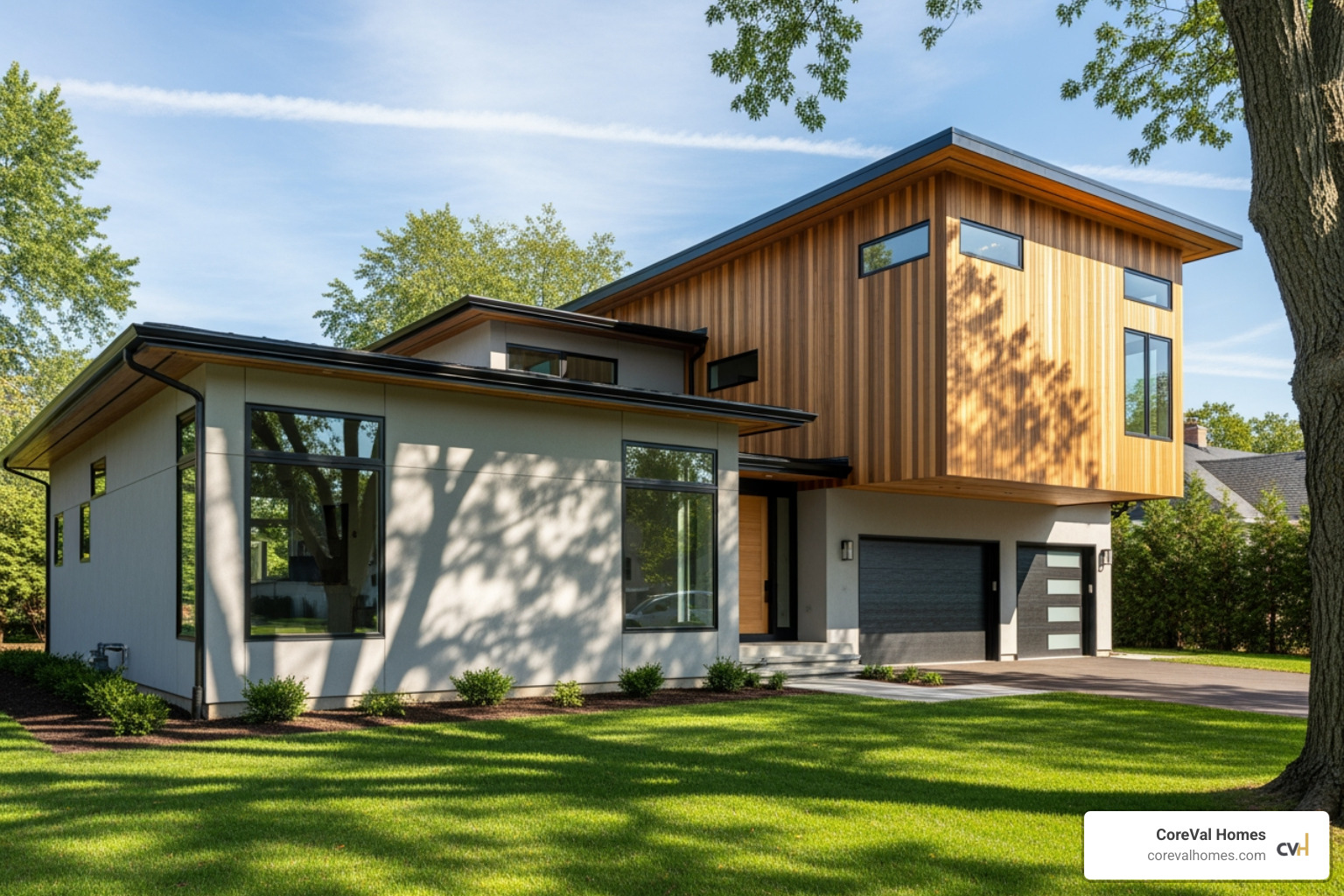
Looking for Second floor addition plans? Expanding your home upwards is a smart way to gain space without giving up your yard.
Here are the main types of second floor addition plans you might consider:
- Full Second Story Addition Plans: Adds an entire new level above your existing home.
- Partial Second Story Addition: Expands only a portion of your home, like a room over the garage.
- Pop-top Addition: Raises the roof to add height and space, often in an existing attic.
- Dormer Addition: Adds structural extensions from the roof, creating more usable space and light.
- Modular/Prefabricated Addition: Built off-site and assembled on your home, often faster and more cost-effective.
Adding a second story can truly transform your living space. It offers increased functionality and can significantly boost your property’s value. But it’s also a big project that needs careful thought and planning.
I’m Gordon Guthrie, a third-generation Canadian home builder and real estate professional in Vancouver. As the founder of CoreVal Homes, I have deep expertise in Second floor addition plans, balancing smart design with solid construction to deliver homes that last.
Why Go Up? The Benefits and Challenges of a Second Story
For many homeowners in Vancouver and the Fraser Valley, limited lot sizes make expanding horizontally impossible. Building up with second floor addition plans is an appealing solution that open ups a home’s potential, adding square footage and improving quality of life. However, it’s a significant undertaking with both exciting benefits and considerable challenges.
A strategic approach is key to success. For a deeper dive, explore our guide: A Strategic Guide to BC Home Additions: Discover Your Home’s Potential. You may also find it helpful to review general background on building codes to better understand why permitting and inspections are such a crucial part of any addition.
Benefits of Adding a Second Story
The advantages of adding a second story make it a popular choice for growing families or homeowners looking to invest in their property.
- More Living Space Without Sacrificing Yard: A second-story addition can double your home’s usable square footage without eating into your garden or outdoor areas. This vertical expansion is ideal for adding bedrooms, bathrooms, or a home office in dense urban areas like Vancouver.
- Increased Home Value: A well-executed addition significantly increases a home’s market value. By adding square footage and improving functionality, you’re not just building space; you’re building equity.
- Opportunity to Modernize Layout: Adding a new level allows for a complete redesign. You can move bedrooms upstairs to create a more open-concept living area on the main floor, improving traffic flow and functionality.
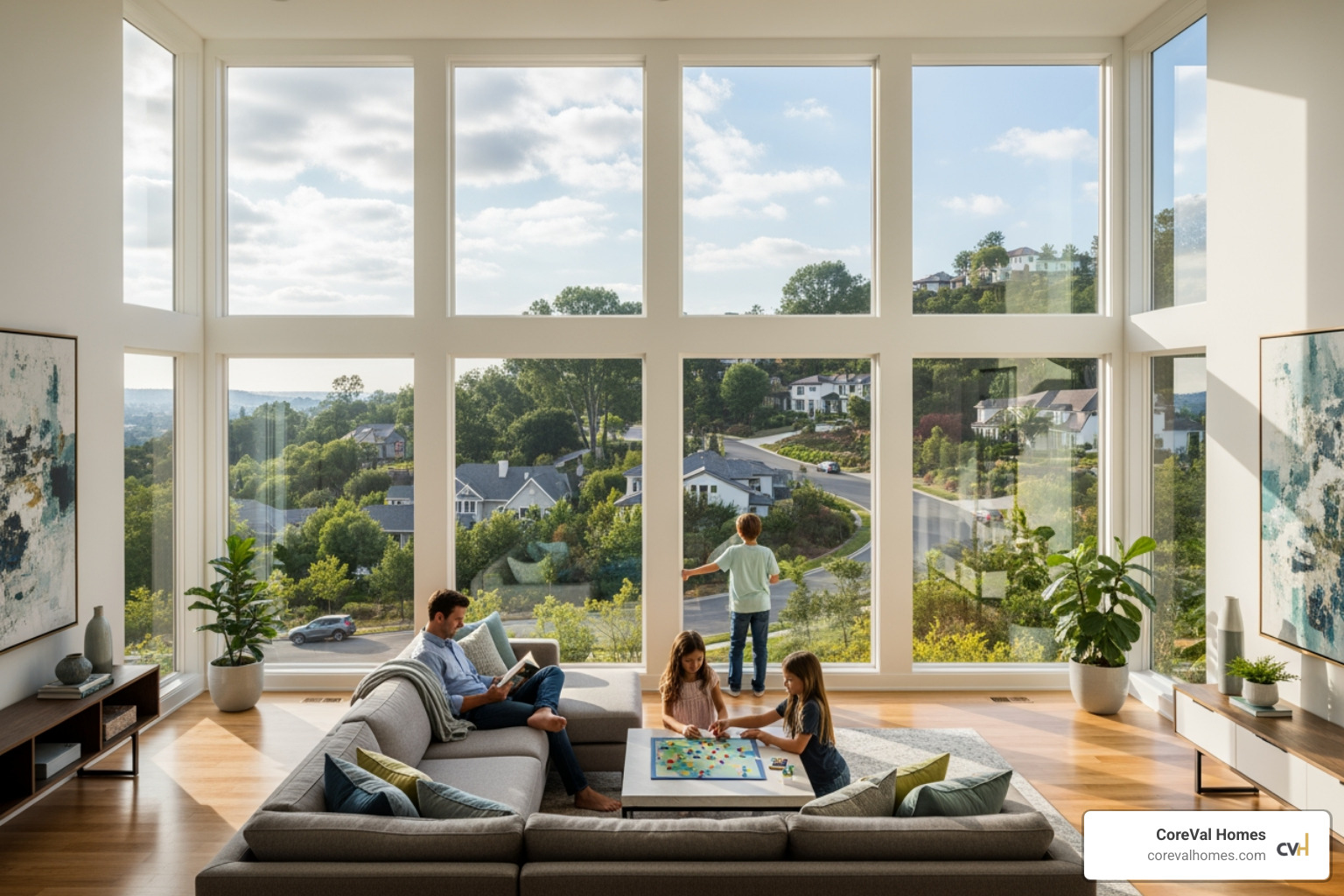
- Better Views and Natural Light: Elevating your living space often provides improved views and allows for strategic window placement that can dramatically increase natural light throughout the home.
Potential Challenges and Complexities
While the benefits are compelling, it’s crucial to approach second floor addition plans with a clear understanding of the potential problems.
- Project Cost: Second-story additions are among the more expensive renovations, typically costing $100 to $400 per square foot. A full 1,000 sq. ft. addition could range from $150,000 to over $400,000, largely due to the complex structural work required.
- Structural Requirements: Your home’s existing foundation and framing must support the weight of a new story. This requires a professional structural assessment and often costly reinforcement.
- Zoning Restrictions: Local zoning laws in municipalities like Vancouver or Surrey have strict rules on height, size, and setbacks. Navigating these regulations is a critical part of the planning process.
- Disruption and Temporary Relocation: Construction is inherently disruptive. Expect noise, dust, and limited access to your home for several months. During major phases, like roof removal, you may need to arrange for temporary living arrangements, adding another cost to your budget.
The Foundation of Success: Planning Your Second Floor Addition
Starting on second floor addition plans requires meticulous planning to ensure the project’s feasibility and compliance. We guide clients through every step, starting with a thorough assessment of their existing home and the regulatory landscape. For comprehensive information on building in our region, refer to our Vancouver Home Builders: Building Guide and By-Law Reference.
Is Your Home Structurally Ready for an Addition?
The most critical question is whether your home can physically support a second story. This requires professional expertise.
- Foundation Assessment: A structural engineer must evaluate your foundation’s strength, looking for cracks or settlement and considering the soil type. For more details, see our guide on Foundation Requirements for Adding a Second Story.
- Load-Bearing Wall Capacity: The first-floor walls must be able to support the new structure. Reinforcement is often necessary.
- Soil Condition: The engineer will assess the soil’s bearing capacity to ensure it can support the increased weight.
- Structural Engineer’s Role: This professional is indispensable. They conduct inspections, perform calculations, and design necessary reinforcements to ensure safety and stability.
- Potential for Reinforcing the Foundation: If the foundation is insufficient, methods like underpinning or installing helical piers may be required, adding to the project cost.
Navigating Legal and Regulatory Problems
Building a second story isn’t just about construction; it’s also about compliance with local bylaws.
- Zoning Laws: These dictate height limits, setback requirements (distance from property lines), and maximum lot coverage.
- Building Permits: Obtaining permits is non-negotiable. This involves submitting detailed plans to your local municipality for review. We are experts in navigating this process to reduce delays.
- BC Building Code: All construction must comply with provincial safety standards. You can find official information on the BC Codes.
- A Comprehensive Guide Home Extension Permits: While regulations vary, understanding the general process is key. Our guide on home extension permits offers insights, but always defer to local Vancouver and BC bylaws.
- Vancouver Zoning By-Laws: For those in Vancouver, understanding specific zoning is crucial. Learn more about Vancouver Zoning By-Laws and Strategies for Maximizing Land Use in 2025.
Assembling Your Professional Team
A successful addition is a team effort. Engaging the right professionals from the start is critical.
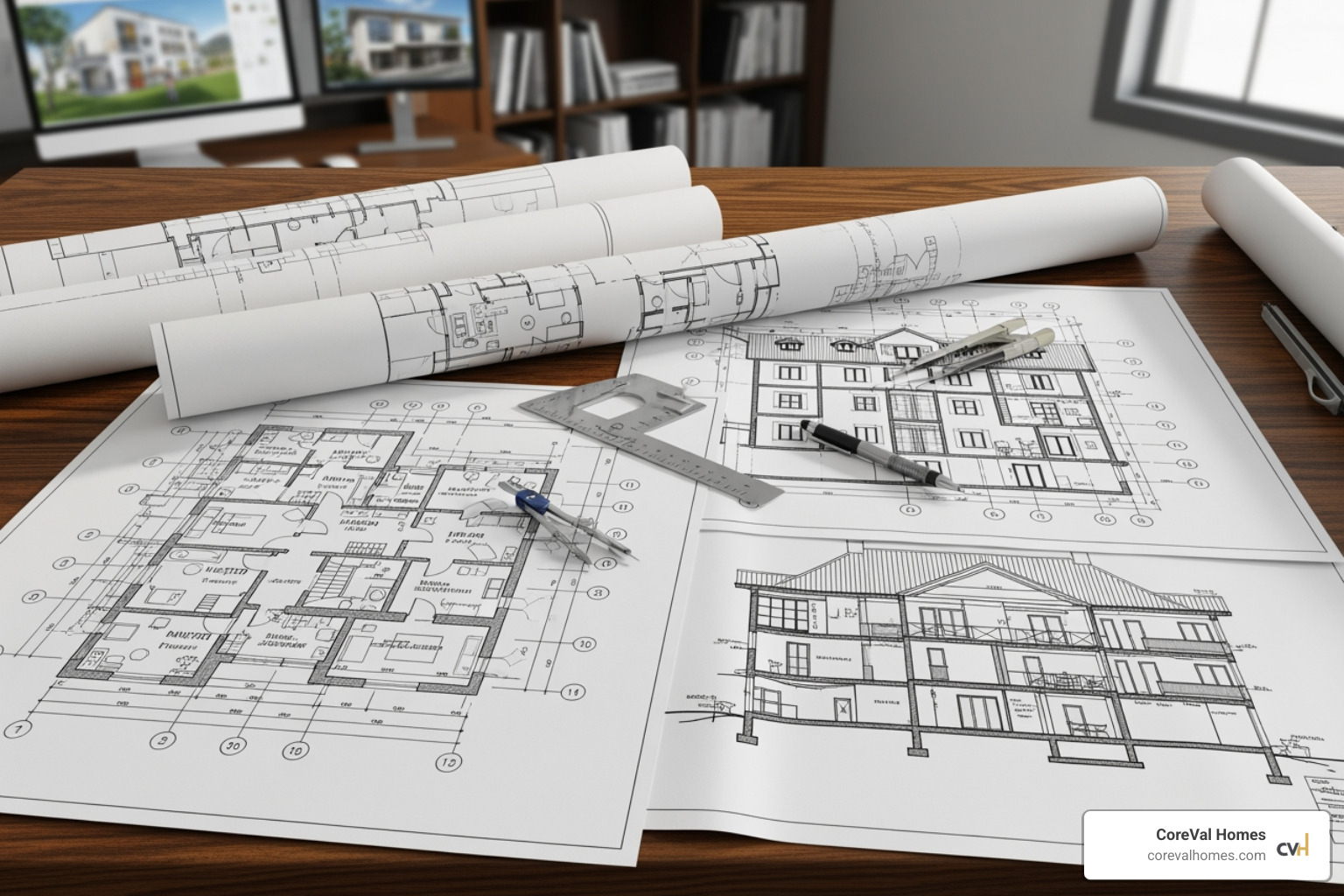
- Architects: Translate your vision into detailed second floor addition plans that integrate with your home’s aesthetics.
- Structural Engineers: Assess your home’s structural integrity and design necessary reinforcements for safety and compliance.
- General Contractors: A reputable contractor oversees the entire construction process, managing trades, schedules, and budgets.
- Interior Designers: An optional but valuable team member who can help optimize the flow, functionality, and aesthetics of your new space.
- How to Find and Vet Your Team: Choosing experienced professionals is vital. For guidance, read our article: How to Find and Vet the Right Vancouver Custom Home Builder Contractor: A Complete BC Homeowner’s Guide for 2026.
Budgeting Your Build: Key Cost Factors
A detailed budget with a contingency fund is essential.
| Feature | Second-Story Addition | Two-Story Addition |
|---|---|---|
| Cost (per sq ft) | $100–$400 | $250–$500 |
| Total Cost (1000 sq ft) | $150,000–$400,000+ | Significantly higher (new foundation for both levels) |
| Process | Adds new level atop existing structure; requires structural assessment/reinforcement of existing foundation. | Expands both ground and upper levels simultaneously; requires new foundation work. |
| Benefits | Increases living space without new footprint; preserves yard; often more cost-effective than horizontal expansion. | Greater layout flexibility; often better for aging in place with ground-floor bedroom options. |
Key cost factors include:
- Square Footage: The larger the addition, the higher the cost.
- Material Quality and Finishes: High-end choices for flooring, cabinetry, fixtures, and exterior materials will increase the budget.
- Structural Modifications: Reinforcing the foundation or load-bearing walls is a major expense.
- Systems Upgrades: Upgrading electrical, plumbing, and HVAC systems to accommodate the new level adds to the cost. This includes ensuring the new story is properly heated and cooled.
- Modular or Prefabricated Options: These can be 10-20% cheaper than conventional additions by saving on labor and disruption.
- Location: Construction costs in Vancouver and the Fraser Valley can be higher than the national average.
Always include a contingency fund (10-20% of the total cost) for unforeseen expenses. For a deeper understanding, see our guide: Financial Modeling for Custom Home Projects: Mastering Accurate Cost Estimation.
Popular Second Floor Addition Plans to Inspire You
With a solid plan and a clear budget, the next exciting step is to explore the possibilities for your new second story. There are various second floor addition plans to consider, each offering unique benefits depending on your needs and your existing home’s structure. At CoreVal Homes, we specialize in bringing these custom visions to life. Explore our Custom Home Build services for more inspiration.
The Full Second Story Change
This is perhaps the most transformative option, involving adding an entire new level above your existing first floor.
- Doubling Living Space: A full second story can effectively double your home’s square footage, providing ample room for a growing family or multi-generational living. This is ideal for single-story homes, such as ranch houses, that need a significant space boost.
- Creating a Master Suite: Many homeowners opt to create a luxurious master suite on the new upper level, complete with a spacious bedroom, walk-in closet, and an en-suite bathroom. This provides a private retreat away from the main living areas.
- Adding Multiple Bedrooms and Bathrooms: For families needing more private spaces, a full second story can accommodate several new bedrooms and additional bathrooms, significantly improving the home’s functionality and capacity.
- Reconfiguring the First-Floor Layout for Open-Concept Living: With bedrooms and private spaces moved upstairs, the first floor can often be reconfigured to create larger, more open-concept living, dining, and kitchen areas, perfect for entertaining and family gatherings.
A full second-story addition of around 1,000 square feet can cost between $150,000 and $400,000+, but the increase in living space and property value often justifies the investment.
The Partial Addition: A Room Over the Garage
For those not needing an entire second floor, or seeking a more budget-friendly option, a partial addition can be a perfect solution. Adding a room over an existing garage is a popular and often more cost-effective choice.
- Cost-Effective Expansion: Since the garage already provides a foundation and often existing walls, building above it can be less expensive than other types of additions. Costs typically average around $80 to $200 per square foot for this type of addition.
- In-Law Suite: This space can be ideal for creating a private in-law suite, providing independent living for aging parents or adult children.
- Home Office: With the rise of remote work, a dedicated home office, separate from the main living areas, is a highly desired feature. A room over the garage offers the perfect secluded workspace.
- Bonus Room: Whether it’s a playroom, media room, gym, or hobby space, a bonus room over the garage adds versatile square footage that can adapt to your family’s changing needs.
For more insights into this type of addition, you can explore resources like Above Garage Addition Toronto | Everything You Need to Know About, keeping in mind that local regulations in your BC municipality will apply.
The Streamlined Addition: Efficient, Quality Construction
Efficiency and quality are hallmarks of our approach to second floor addition plans. We leverage smart construction methods to deliver exceptional results with minimized disruption.
- Efficient Construction Methods: We explore all options, including modular or prefabricated second stories. These additions are built off-site in a controlled environment and then craned into place, significantly reducing on-site construction time.
- Reduced On-Site Disruption: Because much of the work happens off-site, modular additions mean less noise, dust, and general disruption at your home. This can be a huge benefit for families looking to minimize the impact on their daily lives.
- Faster Timeline: Modular construction can accelerate the project timeline, getting you into your new space sooner.
- Cost-Effective Solutions: As noted, modular options can be 10-20% cheaper than traditional stick-built additions, offering a smart way to expand without overspending.
We manage the entire Home Addition Process, ensuring seamless integration and high-quality results from start to finish.
Designing for Seamless Integration and Functionality
A successful second-story addition isn’t just about adding space; it’s about adding space that looks like it was always there. The design phase ensures the new structure harmonizes with the existing home, enhancing both curb appeal and interior functionality. At CoreVal Homes, we create designs that blend seamlessly with Vancouver’s diverse architectural styles, incorporating features homeowners demand, as highlighted in 5 Must-Have Vancouver Custom Home Features That Vancouver Families Are Demanding in 2025.
Creating Cohesive Second Floor Addition Plans
Our goal is to make your new second story look like an integral part of your home.
- Matching Architectural Style: The addition should complement your home’s existing style by using similar design elements, roof pitches, and window types.
- Roofline Integration: Blending new and existing rooflines is crucial for visual continuity and proper drainage. A poorly integrated roofline can make an addition look awkward.
- Material Transitions: We use similar siding, trim, and roofing materials to match the existing home. If an exact match isn’t possible due to fading, we choose contrasting but complementary materials for a deliberate, cohesive look.
- Siding and Trim: Consistency in siding, color, and trim details helps marry the old and new structures.
- Scale and Proportion: The second story should be visually balanced with the first floor to avoid a top-heavy appearance. We use design elements like setbacks or dormers to reduce perceived bulk and ensure the design complies with local codes.
Optimizing Your Interior with Smart Second Floor Addition Plans
Beyond the exterior, the interior design profoundly impacts daily living. We focus on optimizing space, flow, and functionality.
- Strategic Staircase Placement: The staircase is a critical connector. We place it to maintain smooth traffic flow, avoiding designs that disrupt open floor plans or create awkward access points.
- Window Alignment for Light and Aesthetics: We align second-story windows with first-floor openings where possible for visual unity. Inside, large windows and skylights flood new rooms with natural light.
- Stacking Plumbing and Utilities: To optimize costs, we often stack bathrooms and laundry rooms above similar rooms on the first floor. This simplifies plumbing and utility routing.
- Creating Functional Zones: We design spaces that reflect how you live, such as grouping private bedrooms on the second floor, separate from shared living areas downstairs.
- Integrating with Design Software: We use 2D floor plans and 3D renderings to help you visualize your second floor addition plans before construction, optimizing layouts and traffic flow.
- Flex Spaces for Future-Proofing: We consider long-term adaptability by integrating flex spaces that can evolve with your family’s needs. Read more about Vancouver Custom Home Designs: The Role of Flex Spaces in Future-Proofing.
Frequently Asked Questions about Second Floor Additions
We understand that undertaking a second-story addition comes with many questions. Here are some of the most common inquiries we receive from homeowners in Vancouver and the Fraser Valley.
How much does a second-floor addition cost?
The cost varies based on size, complexity, and materials.
- Average Cost: Expect to pay between $100 to $400 per square foot.
- Full Addition Example: A 1,000 sq. ft. full second-story addition can range from $150,000 to over $400,000.
- Partial Addition Example: A room over a garage typically costs between $80,000 and $200,000.
- Key Factors: Costs are influenced by foundation reinforcement needs, roof complexity, material quality, and local labor rates. Modular options can offer a 10-20% cost saving.
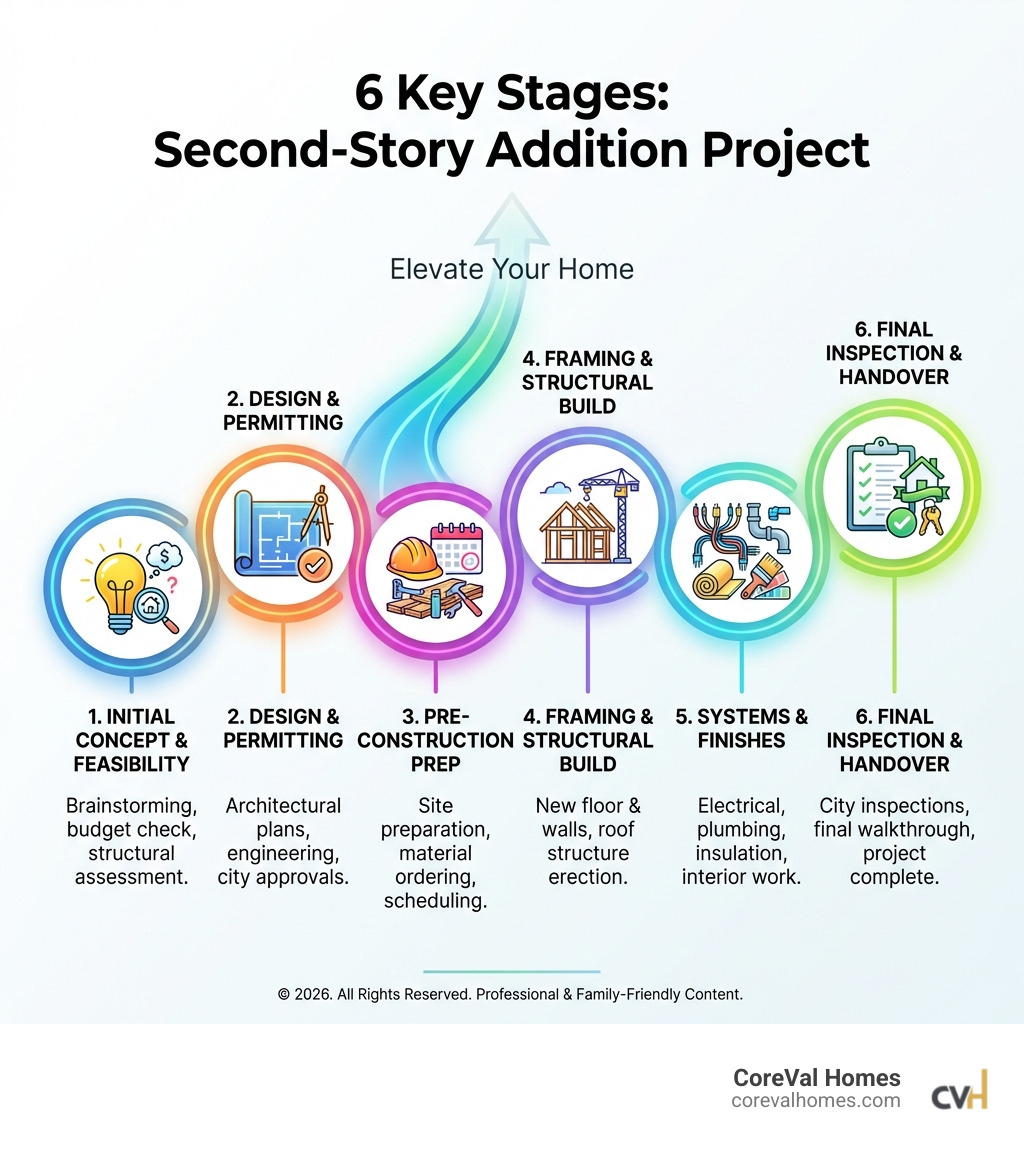
How long does it take to add a second story?
A full second-story addition typically takes 6 to 12 months from start to finish.
- Planning and Permitting: This initial phase can take 3 to 6 months. It involves design, engineering, and navigating municipal permit applications.
- Construction Phase: Actual construction usually takes another 3 to 6 months, covering everything from demolition and framing to interior and exterior finishing.
What are the most common mistakes to avoid?
Avoiding common pitfalls can save you time, money, and stress.
- Skipping a Professional Structural Assessment: Never assume your home’s foundation can support the new load. Always hire a structural engineer to prevent severe safety hazards.
- Under-Budgeting: Complex projects can have unforeseen issues. A contingency fund of 10-20% is essential to cover unexpected costs and prevent delays.
- Ignoring Local Zoning and Permit Rules: Building without proper permits can lead to fines, stop-work orders, or even demolition. Work with a knowledgeable builder to ensure compliance.
- Choosing a Contractor Based on Price Alone: The cheapest bid can lead to poor quality and disputes. Prioritize contractors with proven experience, a strong reputation, and clear communication.
- Poor Interior Planning: A poorly designed addition can create awkward layouts and disrupt flow. Careful planning is needed to ensure the new space is functional and integrates well with the existing home.
Transform Your Home with Expertly Crafted Addition Plans
Expanding your home with second floor addition plans is a significant investment that promises substantial rewards: increased living space, improved functionality, and a boost in property value, all without sacrificing your precious yard. While the journey involves navigating complexities from structural assessments and zoning laws to budgeting and material selection, the outcome is a home that perfectly suits your evolving needs and lifestyle.
At CoreVal Homes, we understand the intricacies of these transformative projects. As a Vancouver custom home builder backed by a 2-5-10 warranty, we specialize in multi-generational homes and custom constructions, expertly navigating complex building permits and offering insider strategies to minimize permit delays. Our efficient project initiation ensures a smooth start to your dream home expansion.
We believe that with the right expertise and meticulous planning, your second-story addition can be a seamless and rewarding experience. Let us help you open up your home’s full potential.

